
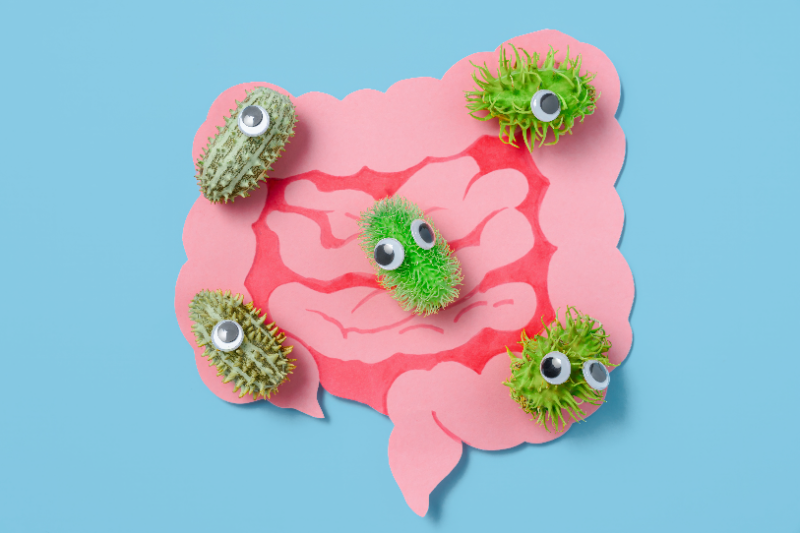

Leaky Gut, known in the medical world as "increased intestinal permeability" and thought in recent years to underlie many chronic diseases, is a critical condition. Our intestines not only digest food but also serve as a huge customs gate that decides what can and cannot enter our bloodstream.
Let's examine what happens when the security system in this gate breaks down and how we can repair this barrier.
What Is Leaky Gut?
Our intestinal wall is made up of tightly bonded cells (tight junctions). In a healthy intestine, these cells allow only fully digested foods, water, and minerals to pass. However, when the bonds between these cells loosen; undigested food particles, toxins, and bacteria begin to seep directly into the bloodstream. When the body sees these foreign substances, it puts the immune system on alert and a widespread inflammation process begins throughout the body.
Causes: Who Is Opening the Gate?
There are many modern lifestyle factors that cause damage to the intestinal lining:
-
Nutritional Errors: Refined sugars, processed foods, and certain proteins like gluten can loosen intestinal bonds.
-
Chronic Stress: The stress hormone cortisol has the capacity to weaken the intestinal wall.
-
Medication Use: Unconscious use of painkillers (NSAIDs), antibiotics, and gastric protectants can damage intestinal flora and lining.
-
Microbiota Imbalance: The decrease of beneficial bacteria in the intestines leads to thinning of the protective mucus layer.
Symptoms: Is the Problem Only in the Stomach?
Leaky gut is an insidious condition because its symptoms may not be limited to the digestive system:
-
Systemic Symptoms: Chronic fatigue, widespread joint and muscle pain, brain fog (difficulty concentrating).
-
Skin Problems: Acne, eczema, or rashes.
-
Digestive Complaints: Bloating, food sensitivities, and chronic diarrhea or constipation.
-
Immune Problems: New food allergies and flare-ups in autoimmune diseases (Hashimoto's, Rheumatoid Arthritis, etc.).
Repair Guide: Rebuilding the Barrier
Repairing the intestinal lining is a patience-requiring but possible process. The "4R Approach" is a frequently used method in this regard:
-
Remove: Eliminate foods that trigger inflammation (sugar, processed fats, sometimes gluten and dairy products) and harmful microorganisms from your life.
-
Replace: If needed, add digestive enzymes or natural acid support like apple cider vinegar to support digestion.
-
Reinoculate: Focus on prebiotic and probiotic foods (onions, garlic, leeks) to increase beneficial bacteria.
-
Repair: Rebuild the wall with nutrients like collagen (bone broth), L-Glutamine, Zinc Carnosine, and Omega-3 that are the raw material of the intestinal lining.
Lifestyle Recommendations
Intestinal repair does not end with what you eat. Each morsel that is not chewed well hits the intestinal wall like a piece of rock; therefore, chewing food thoroughly is vital. Additionally, eating dinner early and giving the digestive system a "break" accelerates the healing process so the intestine can repair itself throughout the night.
Strengthening your body's customs gate is the most fundamental way to protect not only your digestion but also your immune system and mental clarity.
