
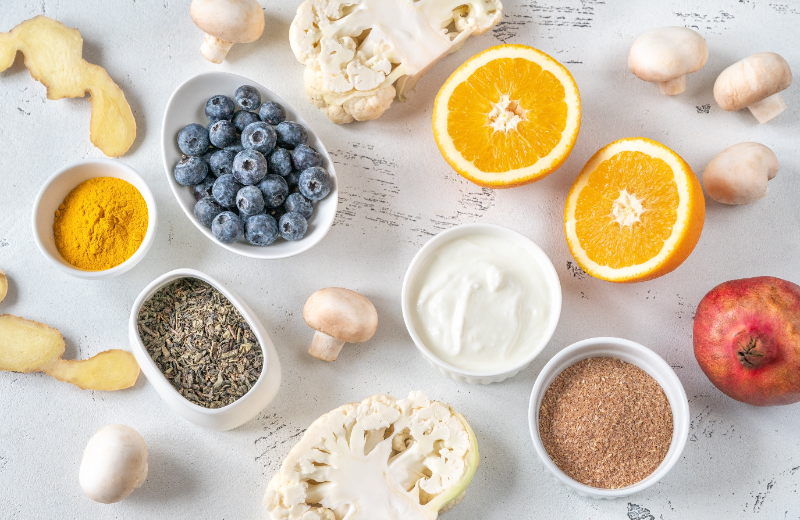

Autoimmune diseases are conditions in which the immune system recognizes its own tissues as a foreign threat and attacks them. For those struggling with Hashimoto, rheumatoid arthritis, psoriasis, or celiac disease, nutrition is one of the most powerful ways to stop this attack. Autoimmune Protocol (AIP) is a nutritional approach designed to reduce inflammation in the body and repair intestinal health.
Here is the roadmap you can follow to calm your immune system and give your body relief.
What is Autoimmune Protocol (AIP)?
AIP is a more comprehensive and strict version of the standard elimination diet. Its basic logic is to temporarily remove foods from the diet that may irritate the intestinal wall, trigger the immune system, or cause hormonal imbalance. The goal is to declare an "armistice" to the immune system and give the body time to repair itself.
Why Should You Follow This Diet?
More than 70% of the immune system is located in the intestines. In a condition known as "leaky gut," incompletely digested food particles enter the bloodstream and alarm the immune system. This diet can help with:
-
Reduction of joint pain and stiffness.
-
Chronic fatigue being replaced by higher energy levels.
-
Relief of skin rashes and redness.
-
Normalization of thyroid and digestive function.
What Should Be Avoided?
During the AIP process, even if they look healthy, foods that can occupy the immune system are removed from the diet:
-
All Grains: Wheat, barley, and rye as well as gluten-free grains like rice, corn, and oats.
-
Legumes: Beans, lentils, chickpeas, and soy products.
-
Dairy Products: Cheese, yogurt, butter, and milk.
-
Nightshades: Tomato, eggplant, pepper varieties (including paprika), and white potatoes.
-
Eggs: Especially egg white proteins can trigger reactions in some people.
-
Nuts and Seeds: Walnuts, almonds, hazelnuts, and seeds like coffee and cocoa.
-
Refined Sugar and Oils: Refined sugars, sweeteners, and seed oils (sunflower, corn oil).
What Should You Eat? Healing Food List
Although restrictions seem extensive, AIP actually focuses on the most nutrient-dense foods:
Vegetables: All vegetables except nightshades (Asparagus, broccoli, cabbage, carrot, sweet potato, squash). Quality Proteins: Preferably grass-fed animal meat, freshly caught fish, and organ meats (1-2 times per week). Healthy Fats: Olive oil, avocado oil, and coconut oil. Fruits: Fresh fruits up to 2 servings per day. Fermented Foods: Homemade pickles (without vinegar, just salt water) or coconut kefir. Bone Broth: One of the most effective nutrients for repairing intestinal lining.
How Should the Process Be Managed?
Autoimmune diet is not just about what you eat but how you live. To achieve success, you can follow these steps:
-
Elimination Phase (30-90 Days): Stick to the list until your symptoms noticeably decrease. Allow your body time to cleanse itself.
-
Lifestyle Support: Stress is the immune system's greatest enemy. Without adequate sleep and stress management (walking, meditation), the diet's effect will be limited.
-
Reintroduction: Once symptoms improve, observe your body's response by slowly adding foods one by one in small amounts.
Making Peace With Your Body
Autoimmune diet is not punishment; it is a healing opportunity you offer your body. The most important thing during this period is to be patient. Each person's immune system works differently; therefore, a food that benefits someone else may be a trigger for you. When you learn to listen to your body's voice, you are not controlling the disease but steering your own health.
