
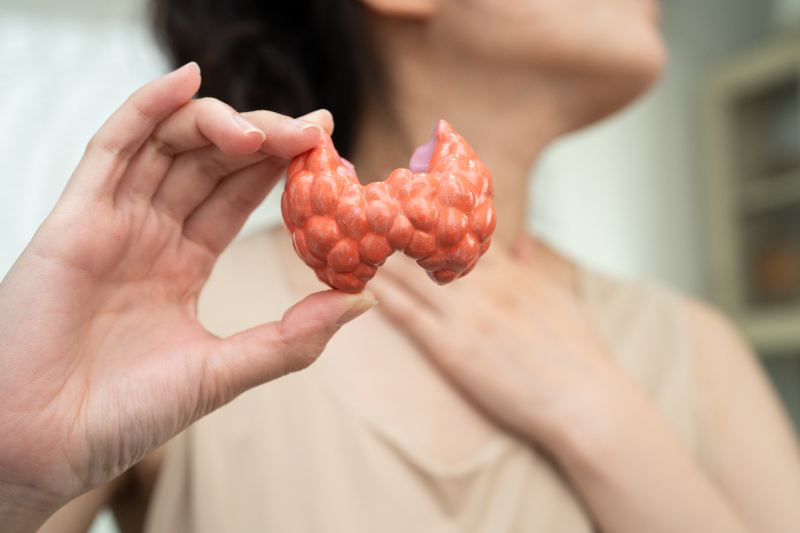

The thyroid gland is like the conductor of the body's orchestra; it manages everything from metabolism to energy levels, body temperature to heart rate. However, sometimes the immune system becomes confused and the thyroid gland's own military begins to attack it. This condition is called Hashimoto Thyroiditis, the most commonly seen thyroid disease in the world.
Let's examine in detail this process where your body develops a defense against its own tissue and how to manage this process.
What is Hashimoto and How Does It Develop?
Hashimoto is an autoimmune disease. The immune system recognizes the thyroid gland as a foreign threat and produces antibodies (anti-TPO and anti-TG) to destroy it. These attacks gradually damage thyroid tissue, causing the gland to be unable to produce sufficient hormone, leading to hypothyroidism.
In Hashimoto, the process generally progresses insidiously. While showing no symptoms at first, as thyroid tissue becomes damaged, the body begins to slow down.
Symptoms: What is Your Body Telling You?
When thyroid hormones decrease, metabolism slows and the body enters "energy-saving mode." This condition manifests with the following symptoms:
-
Persistent Fatigue: Difficulty getting out of bed in the morning and all-day exhaustion.
-
Difficulty Controlling Weight: Inability to lose weight despite eating less or unexplained weight gain.
-
Mental Fog: Difficulty concentrating, forgetfulness, and "brain fog."
-
Emotional Changes: Depressed mood, anxiety, and loss of motivation.
-
Physical Symptoms: Hair loss, dry skin, constipation, and extreme sensitivity to cold.
Nutrition: Your Most Powerful Weapon Against Hashimoto
Using medication alone may sometimes not be sufficient for symptoms to completely resolve. Dietary changes to calm your immune system can change the rules of the game:
1. Gluten and Inflammation Connection
Many studies show that gluten protein and thyroid tissue's molecular structure are similar. When the immune system attacks gluten, it can continue attacking thyroid tissue. Therefore, many Hashimoto patients experience decreased antibody levels and increased energy with a gluten-free diet.
2. Iodine Balance
Iodine is needed for thyroid hormone production, but uncontrolled iodine supplementation in Hashimoto can intensify immune attack. Iodine intake must be balanced and under doctor supervision.
3. The Power of Selenium and Zinc
Selenium is a critical mineral that helps reduce thyroid antibodies and enables conversion of thyroid hormone (T4) to active form (T3). When combined with zinc, it creates an excellent protective shield for thyroid health.
4. Intestinal Health
Autoimmunity usually starts in the gut. Solving "leaky gut" problems is key to stopping the immune system's attack on the thyroid gland.
Lifestyle and Stress Management
The thyroid gland is extremely sensitive to stress. High cortisol levels prevent thyroid hormones from being used by cells. Quality sleep, light exercise, and stress management are as important as drug therapy.
Additionally, reducing environmental toxins like fluoride-containing toothpastes or heavy metals also reduces the burden on the thyroid.
Roadmap
Living with Hashimoto requires constant dialogue with your body. It's not enough to just monitor hormone levels (TSH, t3, t4); you need to monitor antibody levels and hear the body's inflammation signals. The combination of nutrition, lifestyle, and correct medical support transforms Hashimoto from an obstacle to a manageable condition.
