

In the modern world, chronic fatigue, bloating, skin problems, and endless digestive issues have become the norm. But what if we told you that the healthy-looking foods you eat are actually causing a war in your body? Basic Elimination Diet is the gold standard method used to understand which foods are your friends and which are hidden enemies. In this comprehensive guide, we will examine step by step what elimination diet is, how it is applied, and what to expect during this process.
What is Elimination Diet?
Elimination diet is not a weight loss program; it is detective work. It is the process of completely removing potential trigger foods from your diet for a certain period to identify which foods cause inflammation in your body. The fundamental purpose of this diet is to calm your immune system and repair the intestinal barrier, showing you how your body should truly feel.
Why Should You Do Elimination Diet?
Your body is constantly sending signals, but we often forget to listen. If you are experiencing one or several of the following conditions, this diet could be a turning point for you:
-
Digestive Problems: Constant bloating, gas, constipation, or diarrhea.
-
Skin Problems: Acne, eczema, rosacea, or unexplained itching.
-
Low Energy: Heavy feeling after meals or chronic fatigue.
-
Mental Fog: Difficulty concentrating and "brain fog."
-
Joint Pain: Unexplained chronic pain.
How to Implement Basic Elimination Diet
The process typically lasts 4 to 6 weeks and consists of two main phases: Elimination and Reintroduction.
Phase 1: Elimination
In this phase, all foods that commonly cause sensitivity are completely removed from the diet. The "one bite won't hurt" mentality does not apply here; total tolerance is required for complete immune system cleansing.
Main foods to remove from the diet: Gluten (wheat, barley, rye), dairy and dairy products (cheese, yogurt, butter), refined sugar and artificial sweeteners, soy products, corn, eggs (especially the white), processed packaged foods, alcohol, and caffeine.
Phase 2: Reintroduction
This is the most critical phase. After approximately 3-4 weeks when your symptoms decrease, you start testing the foods you removed one by one. Only one new food is added every 3 days. When you eat that food, you should note your body's reactions such as sleep quality, digestion, and mood. If a food causes bloating or pain, that food goes on your "sensitive" list.
Foods That Can Be Consumed in Elimination Diet
You might think "there's nothing left to eat," but nature is actually quite generous:
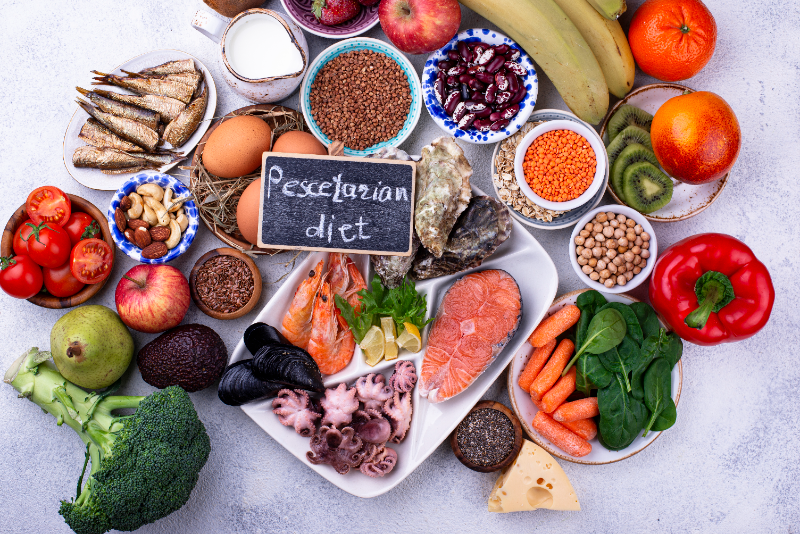
Proteins: Lamb, fresh fish, turkey, and organic chicken. Vegetables: Broccoli, cauliflower, spinach, zucchini, carrots, and leafy greens. Fruits: Apples, pears, blueberries, strawberries, and avocado. Healthy Fats: Extra virgin olive oil and coconut oil. Grain Alternatives: Buckwheat (buckwheat), quinoa, and gluten-free oats.
Tips and Strategies for Success
This period requires serious discipline. To make the process easier, definitely keep a diary noting what you eat and how you feel. Some reactions may appear 48 hours later, so notes are lifesaving. Make label reading a habit; because a "gluten-free" product may be full of corn or sugar. Additionally, since your body is in a detox process, drinking at least 2.5 liters of water daily and getting quality sleep will accelerate toxin elimination.
Frequently Asked Questions
Question: How long should I follow this diet? Answer: The elimination phase typically lasts 21 to 30 days. This time is needed for your body to clear antibodies.
Question: Why should I give up coffee? Answer: Caffeine affects intestinal motility and increases stress hormone cortisol. The system must be completely calm to understand true food sensitivities.
Question: Can everyone do elimination diet? Answer: Pregnant women, nursing mothers, and individuals with a history of eating disorders must follow this diet under expert supervision.
Become an Expert on Your Own Body
Basic elimination diet provides you not a temporary solution but a nutritional map you can use for life. When you know which food makes you bloated and which energizes you, you make nutritional choices with wisdom rather than fear. Remember; a food that heals one person may be poison for another. Discovering your correct foods is the greatest investment you can make in your health.
