
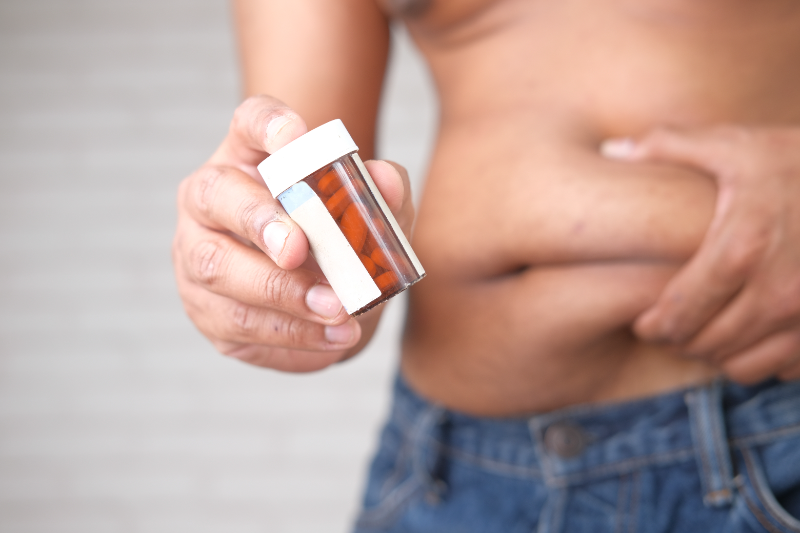

Obesity treatment has become one of the fastest developing areas of modern medicine. Especially in recent years, GLP-1 agonists (Glucagon-Like Peptide-1), which we frequently hear about, have created a biological revolution in the weight loss process. However, side effects that come with standard dosing of these drugs have brought approaches like "microdosing" or more precise dose management to the agenda.
Let's examine in detail how these new generation treatments work in obesity management and why the micro-dose approach attracts attention.
What are GLP-1 Agonists and How Do They Work?
GLP-1 is a hormone naturally released from our intestines after eating. Synthetic versions of this hormone (Semaglutide, Tirzepatide, etc.) trigger several fundamental mechanisms in the body to provide weight loss:
-
Increases Fullness Sensation: Sends signals to the appetite center in the brain, helping you feel fuller sooner.
-
Slows Gastric Emptying: Extends the time food stays in the stomach, helping you feel full longer between meals.
-
Insulin Balance: Regulates blood sugar, preventing sudden hunger crises and sugar cravings.
Why is Micro-Dosing Approach Preferred?
In standard GLP-1 treatments, doses are typically increased weekly. However, many users discontinue treatment due to severe nausea, heartburn, fatigue, and digestive problems. This is where microdosing or "personalized low-dose" strategy comes into play.
The fundamental aims of microdosing are:
-
Body Adaptation: Introducing the drug to the body much more slowly and systematically minimizes side effects.
-
Sustainability: Finding the lowest effective dose that does not affect daily life (work, social life, diet).
-
Preserve Muscle Mass: Preventing muscle loss seen in very rapid weight loss through controlled slow weight loss.
Critical Role of Nutrition During Treatment
Regardless of dose, these drugs are not "magic wands." The fact that the drug suppresses appetite makes the quality of nutrients entering the body even more important. During this period when you eat less, getting the protein, vitamins, and minerals your body needs is vital.
-
Protein Focus: Quality protein source must be consumed at each meal to prevent muscle loss.
-
Hydration: Water consumption should not be neglected due to the drug's metabolic effects and fluid loss risk.
-
Small and Frequent Meals: Since gastric emptying is slowed, large portions may cause discomfort; small, nutrient-dense meals are preferred.
Risks and Precautions to Consider
GLP-1 treatments must be conducted under the supervision of an endocrinologist or obesity specialist. Although microdosing approaches gain popularity, changing the drug's dosage yourself can compromise treatment effectiveness or lead to unexpected metabolic consequences.
Additionally, these drugs may not be appropriate for people with a history of pancreatitis or certain thyroid cancer risks. Regular blood tests and doctor follow-up are "must-haves" for treatment safety.
Looking to the Future
Obesity treatment has moved beyond "eat less, move more" advice. Modern medicine's ability to overcome biological barriers has opened a new door for many people in solving chronic weight problems. Micro-dose approaches allow these powerful drugs to be used by a wider audience "without compromising quality of life."
It should not be forgotten that while drugs help you lose weight, proper eating habits and an active lifestyle help you keep this weight off.
