
Urogynecology and Surgery
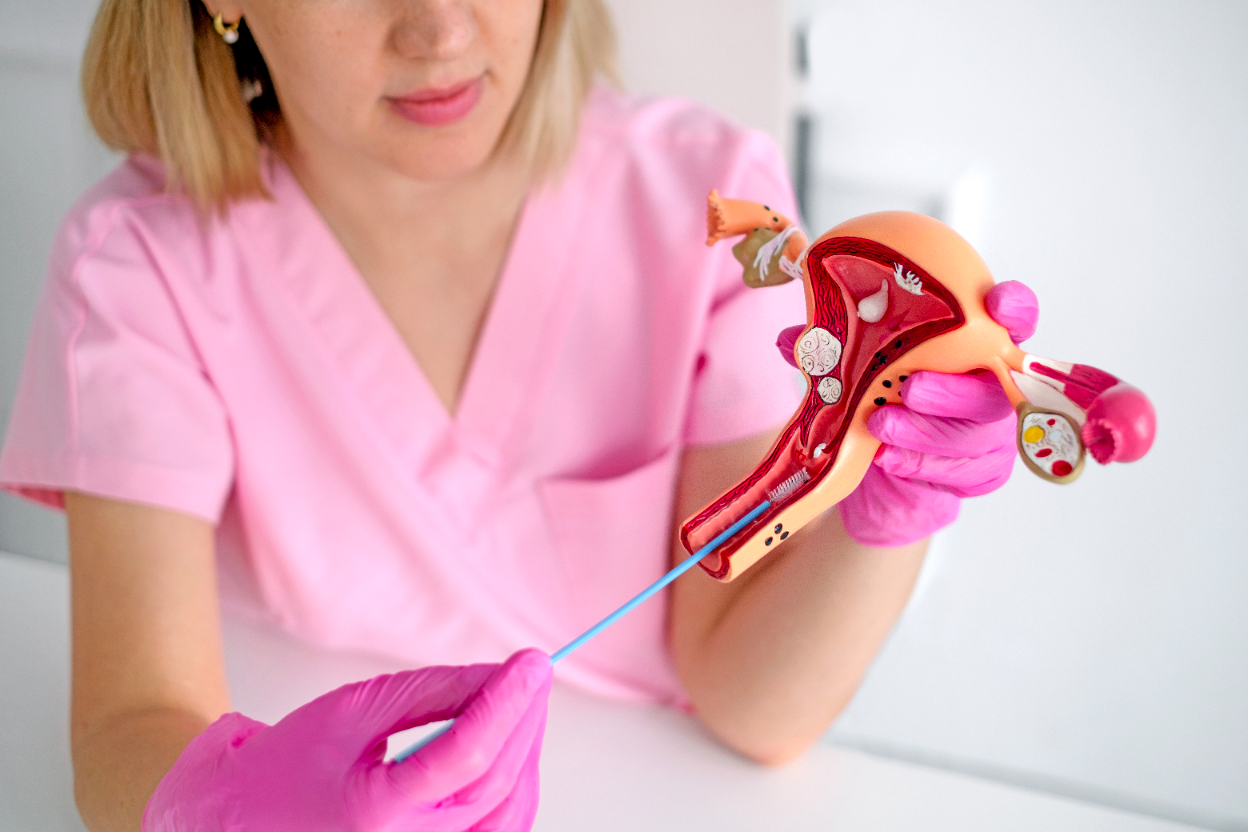
Urogynecology is a specialized field of gynecology that deals with the diagnosis and treatment of conditions affecting the urinary tract, pelvic floor muscles, and supporting tissues of the genital organs in women.
This field addresses both urinary incontinence and pelvic organ prolapse (descent of the uterus, bladder, or bowel) with a holistic perspective.
Dr. Atasoy Clinic approaches urogynecological problems not only with surgical solutions but also through a functional medicine approach.
The goal is to repair the anatomical support system while simultaneously regulating muscle, nerve, and hormonal balance to achieve lasting healing.
What Are Urogynecological Problems?
Urogynecological problems typically develop in women following childbirth, aging, menopause, chronic constipation, obesity, or traumatic surgery.
The most commonly seen conditions are:
-
Stress urinary incontinence (during coughing, laughing, or exercise)
-
Overactive bladder (frequent urination, sudden urge sensation)
-
Pelvic organ prolapse (descent of the uterus, bladder, or rectum)
-
Postpartum pelvic floor weakness
-
Vaginal laxity and sexual dysfunction
-
Pelvic pain syndromes
-
Fistulas and urinary leaks (postoperative)
These problems affect not only physical but also psychological and social quality of life significantly.
For this reason, the treatment approach at Dr. Atasoy Clinic targets both structural and functional balance.
Urogynecological Assessment Process
At Dr. Atasoy Clinic, each patient receives a specialized evaluation.
During this process:
-
Detailed gynecological examination
-
Pelvic floor muscle strength measurement
-
Ultrasound or MR imaging
-
Urodynamic analysis (bladder pressure and filling functions)
-
Hormonal profile and menopausal status are evaluated.
This way, not only "where" the problem is but why it developed is determined.
The treatment plan targets both short-term relief and long-term tissue support.
Functional Approach in Urogynecology
Dr. Atasoy Clinic integrates classical surgical approaches with functional medicine principles.
Because urinary incontinence or pelvic prolapse is not merely a mechanical loss of support; hormone balance, muscle function, and the nervous system are also affected during this process.
For this reason, the treatment plan includes:
-
Hormone regulation (especially estrogen and DHEA support)
-
Pelvic floor muscle strengthening exercises (Kegel, biofeedback)
-
Ozone and PRP-assisted tissue regeneration applications
-
Antioxidant and circulation-supporting serum therapies
are planned together.
The goal is not merely tissue repair but the restoration of functional integrity.
Surgical Methods Applied in Urogynecology
1. Laparoscopic Sacrocolpopexy
A minimally invasive surgery performed to suspend the pelvic floor in cases of uterine or vaginal prolapse.
Through the laparoscopic method, patients experience less pain, the healing process is accelerated, and the aesthetic outcome is more natural.
In this procedure, organs are fixed to their anatomical position using titanium-supported mesh (mesh material).
2. TVT / TOT Surgery (Urinary Incontinence Surgery)
The most commonly used method in the treatment of stress urinary incontinence.
Through a special band (slings) placed under the vagina, support is provided to the urethra.
This procedure is performed under local anesthesia, in a short timeframe, and with high success rates.
The materials used at Dr. Atasoy Clinic are fully compatible with the body and bioinert in nature, with low complication risk.
3. Laser and Radiofrequency Vaginal Rejuvenation
One of the non-surgical treatment options.
Laser or radiofrequency energy applied to the vaginal wall increases collagen production, resulting in tightening.
Additionally, it provides effective results in urinary incontinence, vaginal dryness, and sexual dysfunction.
The treatment is painless, requires no anesthesia, and the patient can return to normal activities on the same day.
4. PRP (Platelet Rich Plasma) Pelvic Tissue Rejuvenation
Platelet-rich plasma obtained from the person's own blood is applied to the vaginal and pelvic region to accelerate tissue renewal.
This method is preferred in postmenopausal vaginal dryness, postpartum tissue damage, or early prolapse.
PRP application increases natural collagen production, restoring tissue elasticity.
5. Tissue Repair with Ozone Therapy
Ozone gas, as a powerful oxygen source, increases microcirculation in pelvic tissues and accelerates healing.
Local ozone applications are an effective treatment option for vaginal dryness, infection, and tissue weakness.
Additionally, it is applied as supportive therapy during the postoperative healing process.
6. Vaginal Rejuvenation (Genital Aesthetic and Functional Correction)
Vaginal laxity, deformity, or postpartum aesthetic changes can be impactful both physically and emotionally.
At Dr. Atasoy Clinic, the vaginal rejuvenation procedures performed target both aesthetic and functional outcomes.
Labioplasty, vaginoplasty, and clitoral hoodoplasty procedures are performed with minimal incision, without tissue damage.
Postoperative healing is accelerated with ozone and PRP support.
Menopause and Pelvic Health Relationship
During menopause, due to decreased estrogen, pelvic muscles weaken, and complaints such as urinary incontinence or vaginal dryness increase.
At Dr. Atasoy Clinic, specialized urogynecological treatments are applied for the menopausal period:
-
Bioidentical estrogen and DHEA replacement
-
Tissue rejuvenation with vaginal laser or PRP
-
Circulation and collagen enhancement through functional medicine support
Through this holistic approach, menopause becomes not a period of loss but a process of restructuring.
Postoperative Functional Support Protocols
For rapid and healthy tissue healing after surgical procedures, the following supports are applied at our clinic:
-
Glutathione and C vitamin serums (antioxidant support)
-
Ozone therapy (tissue oxygenation)
-
Lymphatic drainage and circulation regulation
-
Collagen-supported functional nutrition plan
-
Pelvic floor rehabilitation under physiotherapist supervision
Through this, the patient recovers not only physically but also functionally to previous strength.
Benefits of Urogynecological Treatments
-
Marked improvement in urinary incontinence problems
-
Increased vaginal tightness and elasticity
-
Improvement in sexual function
-
Decreased pelvic pain and pressure sensation
-
Regained confidence
-
Overall improvement in quality of life
Urogynecological treatments enable women to reconnect with their bodies.
This is not merely medical healing; it is a transformation process that brings bodily awareness and comfort to daily life.
Dr. Atasoy Clinic's Urogynecological Philosophy
At Dr. Atasoy Clinic, the approach to urogynecology is built on respect for the woman's body, naturalness, and functional healing.
Surgical procedures are performed only when necessary; the priority is always to activate the body's own repair capacity.
Every treatment applied is personalized and ensures functional balance along with aesthetic appearance.
Dr. Atasoy's approach, in summary, is:
"True aesthetic in women's health is achieved through the preservation of functional integrity."
